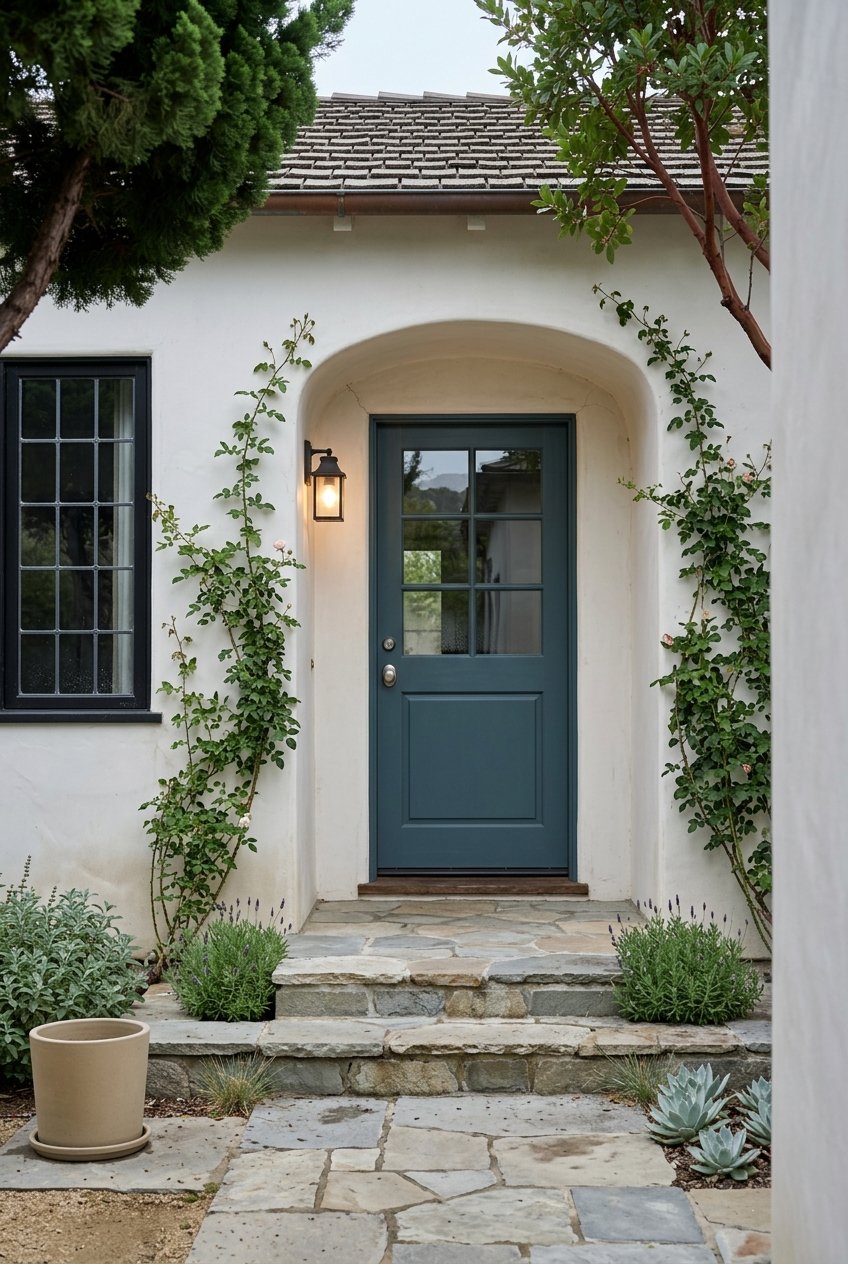
If you picture Carmel as just a pretty beach town, you are only seeing part of the story. This small coastal city offers a lifestyle shaped by walkability, older homes, natural beauty, and a village layout that feels very different from a typical suburban market. If you are thinking about buying, relocating, or simply getting to know the area better, this guide will help you understand how Carmel Village and Carmel-by-the-Sea actually live day to day. Let’s dive in.
What Makes Carmel Feel Different
Carmel-by-the-Sea is small by design and in scale. The city’s historic context places it at about one square mile, bordered generally by the Pacific Ocean, Highway 1, Pebble Beach, and the Carmel River, with a 2020 population of 3,220 residents.
That size matters because it shapes how the town feels when you move through it. Carmel describes itself as a residential community that has consciously resisted urbanization, which helps explain why so many buyers notice the low-scale, village feel right away.
The city’s character also reflects its Arts and Crafts roots and its natural setting. Together, those influences show up in the architecture, the intimate streetscape, and the way residential pockets wrap around the business district.
Carmel Village Daily Life
For many people, the biggest surprise is how pedestrian-oriented the village core feels. Downtown parking is available, but it is organized around free 30-minute and 2-hour curbside spaces, public lots, and timed turnover rather than long commercial strips built around driving.
In practical terms, that means daily life in the center often revolves around short walks, quick errands, and a more compact rhythm. If you enjoy being able to park once and explore on foot, Carmel’s village layout tends to stand out.
Another detail that reinforces the old-village identity is the city’s address tradition. Carmel properties were historically identified by location rather than street number, and the city notes that a newer numbering system is still in draft form while mail delivery continues through downtown P.O. Boxes.
That may seem like a small thing, but it says a lot about the place. Carmel often feels less like a conventional city and more like a close-knit coastal village with its own long-established patterns.
Outdoor Living Is Part of the Routine
In Carmel, outdoor access is not just a weekend bonus. It is part of everyday life. The city maintains Carmel Beach, and it also identifies nine designated park, open space, and recreational areas with features that include walking paths, play structures, and sports courts.
Mission Trail Nature Preserve adds a 34-acre trail system with about three miles of trails and a native plant garden. Point Lobos State Natural Reserve nearby supports activities such as sightseeing, photography, painting, nature study, picnicking, scuba diving, and jogging.
When you put that together with the beach and the compact village center, the lifestyle becomes easier to picture. Many residents and visitors experience Carmel through walking, trail time, shoreline views, and short local outings rather than long daily commutes within town.
How Transit and Parking Fit In
Carmel is connected to the broader Monterey Peninsula, but transit tends to play a supporting role. Monterey-Salinas Transit includes routes connecting Carmel with places such as Carmel Rancho, Carmel Valley, and Sand City.
That connectivity can be useful if you need to move around the peninsula, but most of Carmel’s core lifestyle appeal comes from its small footprint and localized routine. You are more likely to think about where to park for the village or which route gets you to nearby areas than to treat transit as the main driver of daily life.
For buyers, this is an important distinction. Carmel can feel highly walkable in certain pockets, especially near the central business district, while more residential areas may feel quieter, more scenic, and more car-dependent.
Carmel Homes and Housing Style
Carmel’s housing stock is defined largely by older, lower-scale homes. According to the city’s historic context, most residential properties were developed before World War II, and the neighborhoods show a wide range of architectural styles.
If you are coming from an area full of newer subdivisions, this is one of the biggest mindset shifts. Carmel is generally not a place where you should expect a large supply of new tract-style inventory.
The city’s planning materials also show that single-family homes are the most prevalent property type. Accessory dwelling units are allowed in some zones, and there are some multifamily and senior-housing pathways, but land supply remains limited.
That constrained supply helps shape the buyer experience. Inventory can feel tight, and the homes that do come available are often influenced by design review, preservation considerations, and local context rather than mass-market development patterns.
Why Carmel Inventory Feels Limited
Carmel’s 2023 to 2031 housing element sets a Regional Housing Needs Allocation goal of 349 units. At the same time, the city’s Local Coastal Program and historic-preservation framework add another layer of review for many projects.
For you as a buyer or seller, the practical takeaway is straightforward. Housing decisions here are often design-sensitive and context-driven, and the pace of change is shaped by more than simple land availability.
This helps explain why Carmel often feels carefully preserved. It also explains why pricing, preparation, and neighborhood fit matter so much when you are planning a move in this market.
Carmel’s Main Lifestyle Pockets
One of the best ways to understand Carmel is to think of it as several distinct pockets gathered around a village center. Each area offers a slightly different day-to-day experience, even within a very small city.
Village Core and Adjacent Blocks
The central business district and nearby historic blocks tend to feel the most village-like. This is where the walkable rhythm is strongest, with quick access to shops, restaurants, and the downtown setting that many people associate with Carmel.
If your priority is being close to the center of activity, this area often feels the most convenient. It is the part of Carmel where the compact scale becomes most obvious.
Carmel Woods
Carmel Woods began opening for development in the 1920s and appears repeatedly in the city’s historic records. It helps illustrate Carmel’s long-standing pattern of residential pockets with a wooded, established character.
For buyers, this area can represent the side of Carmel that feels more tucked away than downtown. It still connects to the town’s overall identity, but the setting is more residential than village-commercial.
Hatton Fields
An official city RFP describes Hatton Fields as a residential neighborhood bounded by Valley Way, Highway 1, the city, and Rio Road. It is noted for rolling terrain, mature oaks, redwoods, Monterey pines, and views toward Carmel Valley, the Santa Lucia Range, Carmel Bay, and the Pacific Ocean.
That description gives you a strong clue about the lifestyle here. Hatton Fields tends to read as scenic, more spread out, and shaped by natural topography.
Carmel Point
Carmel Point appears throughout the city’s historic context as a coastal area south of the village, including its connection to notable historic homes. It is one of the places that reinforces Carmel’s reputation for dramatic shoreline living.
If you are drawn to the coastal edge, this pocket often stands out. The setting feels distinct from the village center, with a stronger connection to the shoreline and the broader coastal landscape.
Coastal Living Comes With Extra Considerations
Living in Carmel means living fully within the California coastal zone. The city notes that it is entirely subject to California Coastal Commission rules, and local coastal-resource policies address the forest, beach, bluffs, water quality, and environmentally sensitive habitat areas.
For buyers, that is an important part of the lifestyle equation. Coastal beauty is a major draw, but ownership can also involve added permitting, review, and long-term planning considerations depending on the property and location.
The city also maintains a coastal adaptation and sea-level-rise update page. That is a useful reminder that coastal ownership is not only about views and access. It is also about understanding how environmental conditions and local policy may shape future decisions.
Schools and Area Context
If school enrollment is part of your move, it helps to know that the school footprint extends beyond Carmel-by-the-Sea alone. Carmel Unified School District states that it spans Pebble Beach, Carmel-by-the-Sea, Carmel Valley, and Big Sur.
That broader geography can matter when you are comparing lifestyle pockets and looking at nearby housing options. It is one more reason to evaluate Carmel not just by city limits, but by how it fits into the larger Monterey Peninsula picture.
What Carmel Lifestyle Fits Best
Carmel tends to appeal to buyers who want charm, character, and a more place-driven daily routine. If you value older homes, a compact village center, natural scenery, and easy access to outdoor spaces, this market offers a lifestyle that is hard to duplicate.
It may be less ideal if your top priority is a large supply of newer homes or a conventional subdivision layout. Carmel works best when you appreciate that its constraints are part of its appeal.
For sellers, that same uniqueness can be a strength. Buyers are often responding not just to square footage, but to setting, architectural character, walkability, and how a home connects to Carmel’s one-of-a-kind coastal identity.
If you are considering a move in Carmel, it helps to work with someone who can translate the subtle differences between village convenience, wooded privacy, and coastal exposure. That kind of local context can make your search or sale much more focused and much less stressful.
Whether you are buying your first Peninsula home, relocating, or preparing to sell a Carmel property, having a clear plan matters. If you want thoughtful guidance on Carmel-by-the-Sea and the broader Monterey Peninsula market, connect with Dave Lucas.
FAQs
Is Carmel-by-the-Sea walkable for daily errands?
- Yes. The village core is especially walkable, with short-distance errands and timed parking that supports a pedestrian-oriented downtown experience.
What types of homes are most common in Carmel?
- Carmel is dominated by older single-family homes, many developed before World War II, with architectural variety shaped by local history and design context.
Which parts of Carmel feel most scenic?
- The coastal edge, Carmel Point, and wooded residential pockets such as Hatton Fields and Carmel Woods are often the areas most associated with scenic surroundings.
Which part of Carmel feels most like a village?
- The central business district and nearby historic blocks tend to feel the most village-like because of their compact layout and walkable setting.
Does Carmel have public transit connections?
- Yes. Monterey-Salinas Transit includes routes that connect Carmel with other parts of the Monterey Peninsula, though transit is generally a secondary part of the Carmel lifestyle.
What should buyers know about coastal rules in Carmel?
- Carmel is entirely within the California coastal zone, so buyers should be aware that coastal policies and related review can affect property use, planning, and future improvements.
