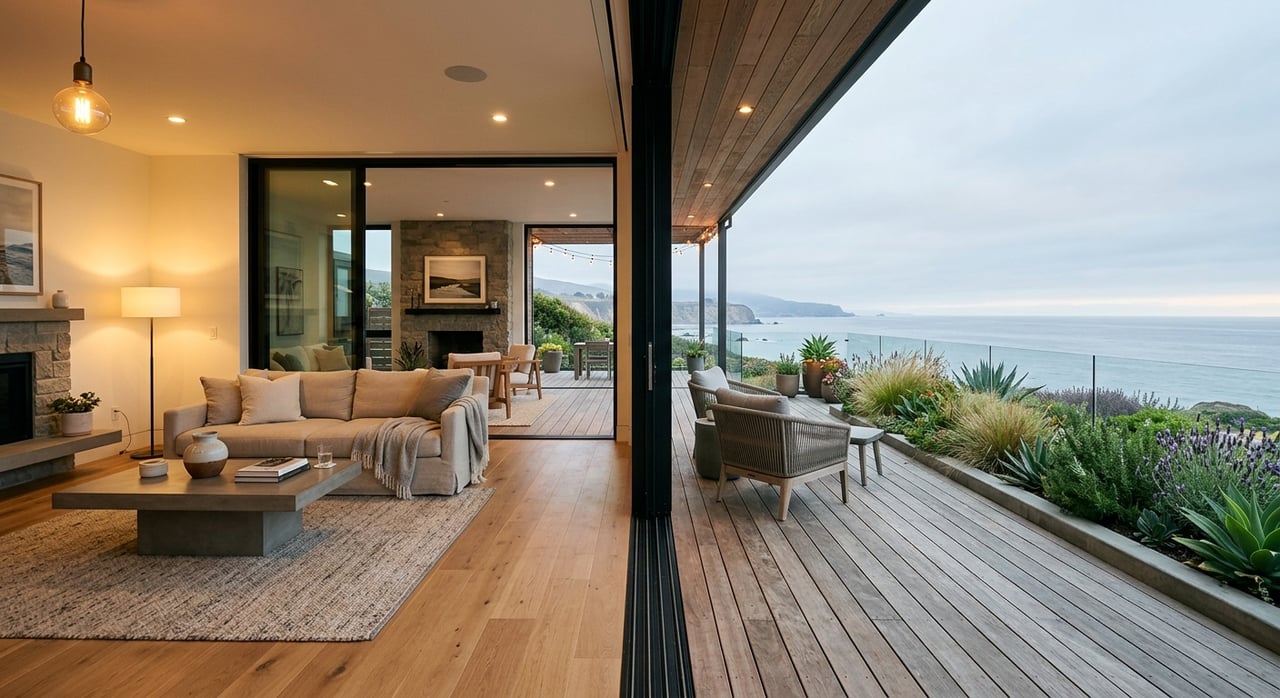
Trying to choose between a storybook cottage and a home with a view in Pacific Grove? You are not alone. In a coastal market where inventory is limited and pricing is around the mid-$1.3M range, the right fit often comes down to how you want to live day to day, what kind of upkeep you are comfortable with, and how much flexibility you want for future updates. This guide will help you compare Pacific Grove cottages, mid-century options, and view homes so you can make a more confident move. Let’s dive in.
Pacific Grove home styles at a glance
Pacific Grove has a housing story that feels different from many other Monterey Peninsula communities. According to the City of Pacific Grove’s local history, the city began as a Methodist seaside retreat, and many of its early homes grew from a pattern of small lots and modest cottage construction.
That history still shapes what you see today. You will find compact historic cottages, later mid-century homes, and a smaller pool of properties where the main draw is light, outlook, and coastal setting. In a market where median pricing has been reported around $1.35M to $1.36M, the choice is not only about style. It is also about lifestyle, maintenance, and resale appeal.
Why the decision matters in Pacific Grove
In some places, a cottage versus a view home is mostly an aesthetic choice. In Pacific Grove, it can affect everything from square footage to renovation rules.
The city’s housing element notes that about 1,300 homes are included in Pacific Grove’s Historic Resources Inventory, and exterior changes to those homes can be regulated by the city’s preservation rules. The same document also notes that coastal-zone architectural permits can apply to new construction and some alterations.
Pacific Grove’s climate also plays a role. NOAA data for the Monterey area shows a mild marine pattern with an annual mean temperature of 55.9°F and about 17.11 inches of annual precipitation. That helps explain why porches, windows, patios, and outdoor living feel so important here.
What Pacific Grove cottages offer
Cottage character stands out
If you picture Pacific Grove as charming, historic, and full of personality, you are probably picturing its cottages. The city’s historic context identifies Folk Victorian tent cottages as the most common 19th-century housing type, often with narrow footprints, front-facing gables, porches, and wood cladding.
These homes often deliver the strongest sense of local identity. Their scale, detailing, and street presence connect directly to Pacific Grove’s early seaside-resort roots, which is a big part of their appeal to buyers.
Cottage living is usually more compact
Cottages are typically the smallest option in this comparison. That is tied to the city’s early small-lot pattern and the compact form of the original tent-cottage style, as described in the historic context report.
If you value charm, walkability, and a manageable footprint, that can be a real advantage. If you need more open living space, extra storage, or room to spread out, a cottage may feel limiting unless it has been thoughtfully expanded.
Cottage upkeep can be more involved
Older coastal homes often ask more of you over time. Pacific Grove’s historic context notes that porch and stair elements are especially vulnerable in a seaside setting, and exterior features like windows, trim, siding, and roofing may need careful maintenance.
That does not mean cottages are a poor choice. It simply means you should go in with a clear plan for upkeep and a realistic understanding of what it takes to preserve an older home near the coast.
Cottage updates may require more review
Many Pacific Grove cottages fall within the historic framework that makes the town so distinctive. The trade-off is that exterior changes to historic resources, including windows, doors, trim, wall materials, and roofing, may require city approval under local preservation rules outlined in the historic resources documentation.
The same report notes that rear additions can be acceptable when they preserve the building’s scale. Still, if future remodeling flexibility is high on your list, this is something to verify property by property before you buy.
Where mid-century homes fit in
Mid-century homes can offer a middle ground
If you love Pacific Grove but want a home that feels more open and a little easier to adapt, mid-century homes can be worth a close look. Pacific Grove’s historic context says much of the city’s post-World War II development is less likely to be historically significant, aside from standout examples.
In practical terms, that can mean a more straightforward remodel path for some homes, though parcel-specific verification is still essential. You should never assume a property is free of design or permit considerations without confirming it.
Mid-century layouts often feel more flexible
A Texas Historical Commission overview of mid-century design highlights common features like open floor plans, large windows, patio doors, minimal ornament, and strong indoor-outdoor connections. Those design choices can make a home feel more spacious and easier to live in every day.
In Pacific Grove, that often makes mid-century homes appealing to buyers who want openness without necessarily paying the premium tied to a true view property. They may not have the same cottage charm, but they can offer practical comfort and strong livability.
What Pacific Grove view homes offer
View homes prioritize outlook and light
A Pacific Grove view home is often about one thing first: what you see and feel from the property. Because the city sits along the Monterey Bay coast, homes with a strong outlook can deliver a lifestyle premium that goes beyond square footage alone.
That premium may show up in natural light, daily enjoyment, and long-term buyer interest. In a place with mild year-round weather, the connection between indoor living and the coastal setting can be a major part of the home’s value.
View homes often face more coastal wear
The same exposure that creates the view can also create more maintenance pressure. FEMA notes that salt spray and onshore winds accelerate corrosion in coastal areas, and Pacific Grove’s own historic context points to faster deterioration of exterior elements in seaside conditions.
If you are considering a view property, pay close attention to materials, deferred maintenance, and how the home has been cared for over time. This matters for both older homes and newer remodels.
View inventory can be especially scarce
True view inventory is often limited in Pacific Grove. Realtor.com reported only one home for sale in Pacific Grove Beach in a February 2026 neighborhood snapshot, which suggests that ocean-adjacent opportunities can be scarce.
When overall inventory is already tight, that can make the best-positioned view homes more competitive. If your move depends on securing a view, it helps to be clear about what kind of outlook actually matters most to you.
Some view homes may involve extra review
If a view property is also historic or located within the coastal zone, exterior changes may involve additional review steps. The city notes in planning materials that additions and exterior alterations to Historic Resources Inventory properties require approval, and coastal-zone architectural permits may apply in some cases.
That does not rule out improvements. It simply means the path may be more detailed, which is worth factoring into your budget and timeline.
Cottage vs. view home: a practical comparison
| Home type | Biggest strengths | Common trade-offs |
|---|---|---|
| Cottage | Character, historic identity, porch appeal, compact living | Smaller footprint, more upkeep, possible design-review limits |
| Mid-century | Openness, flexibility, large windows, easier daily flow | Less historic charm, not always a true view premium |
| View home | Outlook, natural light, coastal lifestyle appeal | Higher exposure to salt and wind, scarcer inventory, possible permitting complexity |
How to choose the right fit
Choose a cottage if character matters most
A cottage may be the better fit if you want the strongest Pacific Grove identity and do not mind a smaller footprint. Buyers who love original detailing, porch presence, and historic feel often find cottages especially compelling.
This choice tends to work best when you are comfortable with maintenance and willing to verify what changes are possible before you buy.
Choose a mid-century home if flow matters most
If your priority is easy day-to-day living, a mid-century home may offer the best balance. Open layouts, larger windows, and simpler detailing can make these homes feel more practical and more adaptable for modern living.
This can be a smart path if you want Pacific Grove location and coastal feel without leaning all the way into either historic-home upkeep or a full view premium.
Choose a view home if lifestyle matters most
If the outlook is the reason you are moving, it may make sense to prioritize that first. A great view can shape how a home feels every single day, and in Pacific Grove that can carry lasting appeal.
Just make sure you weigh the full picture, including maintenance exposure, inventory scarcity, and any review requirements tied to the property.
What resale may look like
There is no one-size-fits-all winner when it comes to resale. In Pacific Grove, resale tends to depend on condition, quality of the view, historic status, and how much permitting complexity a future buyer may expect.
Current market data from Redfin’s Pacific Grove housing market snapshot suggests an active but not overheated market, which means buyers are often weighing value carefully. A well-maintained cottage, a practical mid-century home, and a strong view property can each perform well for different reasons.
The key is buying the right house for your goals, not just the most romantic idea on paper.
If you are weighing Pacific Grove cottages against view homes, it helps to look beyond the photos and think through how each option fits your lifestyle, maintenance comfort level, and long-term plans. A clear strategy can make all the difference in a market with limited inventory and distinct housing types. If you want local guidance on Pacific Grove homes and the Monterey Peninsula market, connect with Dave Lucas.
FAQs
Which Pacific Grove home type is usually the smallest?
- Cottages are usually the smallest because Pacific Grove’s early housing pattern grew from compact tent cottages on small lots, according to the city’s historic context report.
Which Pacific Grove home type is usually easiest to update?
- A nonhistoric mid-century home is often the easiest to update because cottages and other Historic Resources Inventory properties may require review for exterior changes, though each property should be verified individually.
Which Pacific Grove home type tends to need more maintenance?
- Older cottages often need closer attention to porches, siding, windows, and trim, while view homes can face added wear from salt spray and onshore wind.
Which Pacific Grove home type is best for resale?
- There is no universal best option for resale in Pacific Grove because condition, view quality, historic status, and expected permitting complexity all play a role.
Do Pacific Grove view homes always mean a modern house?
- No. In Pacific Grove, a view home is mainly about location and outlook, and it may be a cottage, a mid-century home, or another style depending on the property.
Do Pacific Grove cottages always have strict renovation limits?
- No. Some cottages may fall under historic review for exterior changes, but the rules depend on the specific property, its status, and the type of work you want to do.
