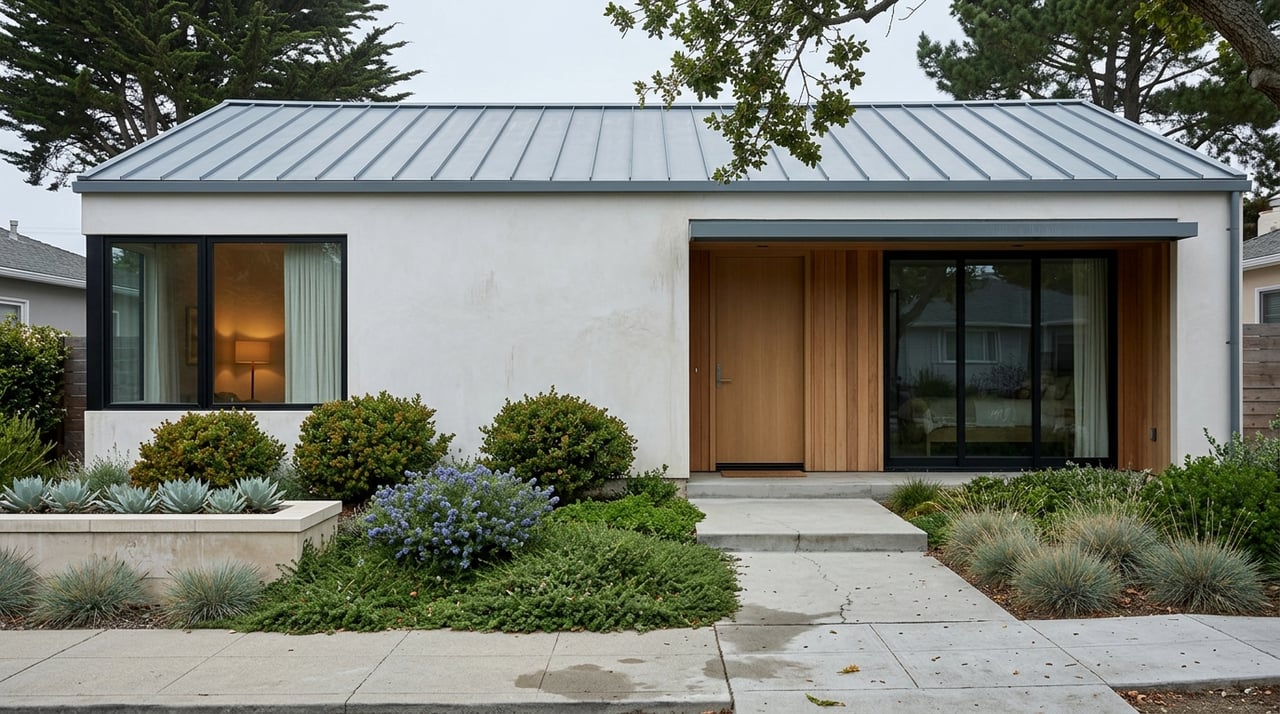
Relocating to Monterey can feel exciting and a little overwhelming at the same time. You are not just picking a house. You are choosing a daily routine, a coastal microclimate, and a commute that all shape how your move feels once the boxes are unpacked. This guide will help you narrow the right area for your lifestyle, priorities, and schedule so you can tour with more confidence. Let’s dive in.
Start With Monterey’s Bigger Role
Monterey is best understood as the central hub of the Monterey Peninsula, not as a stand-alone town. The City of Monterey’s general plan describes it as the Peninsula’s downtown and business and employment center, and the city itself covers about 8.4 square miles.
That matters when you are relocating because your search may naturally include more than one community. Many buyers compare Monterey with nearby Peninsula areas such as Pacific Grove, Carmel-by-the-Sea, Carmel Valley, Marina, Seaside, Sand City, Pebble Beach, and Salinas depending on commute, lifestyle, and access to amenities.
If you treat Monterey as part of a connected coastal network, your home search often becomes clearer. Instead of asking only, “Which Monterey neighborhood is best?” a better question is, “Which area gives me the right mix of access, atmosphere, and daily convenience?”
Understand How Monterey Is Laid Out
Monterey’s shape and terrain influence how different areas feel. The bay sits to the north, while a wooded ridgeline rises to the south, and the city’s development pattern follows that land form.
According to the city’s general plan, downtown commercial uses are concentrated on flatter former marshland. Lighter commercial and medium-density residential areas sit on sloping mesas, while lower-density residential areas extend into steeper wooded foothills.
In simple terms, Monterey can feel very different from one area to the next. A home near the core may put you close to shops, dining, waterfront activity, and transit, while a home farther inland or uphill may feel more tucked away and residential.
Compare Monterey Areas by Lifestyle
One of the easiest ways to choose the right area is to group neighborhoods by daily rhythm. Some parts of Monterey support a more walkable, amenity-rich routine, while others offer a quieter residential setting with more separation from visitor activity.
The city’s planning documents identify residential districts such as New Monterey, Fisherman Flats, Old Town, Monterey Vista, Skyline Ridge, Skyline Forest, Alta Mesa, Glenwood, Oak Grove, Del Monte Beach, Del Monte Grove-Laguna Grande, Villa del Monte, Casanova Oak Knoll, Deer Flats, Aguajito Oaks, and Ryan Ranch. Commercial districts include Cannery Row, Alvarado Street, Lighthouse Avenue, Abrego Street, and North Fremont Street.
Areas That Often Fit a More Walkable Routine
If you want easier access to restaurants, waterfront destinations, transit, and everyday activity, your first shortlist will often include:
- Downtown
- Old Town
- New Monterey
- Cannery Row corridor
- Lighthouse Avenue corridor
These areas sit closer to Monterey’s commercial core and waterfront amenities. The city’s multimodal plan supports pedestrian-friendly commercial areas, and downtown also includes the Monterey Transit Plaza, which serves as the starting point for local bus service.
The Monterey Bay Coastal Recreation Trail is another major lifestyle feature. It stretches 18 miles from Castroville to Pacific Grove and connects major destinations such as the Monterey Bay Aquarium, Cannery Row, and Fisherman’s Wharf, which can add real value if you want a more active, car-light routine.
Areas That Often Feel More Residential
If you prefer a quieter setting with more separation from the busiest visitor corridors, you may want to focus on:
- Monterey Vista
- Alta Mesa
- Casanova Oak Knoll
- Skyline Ridge
- Skyline Forest
- Glenwood
- Oak Grove
- Del Monte Grove-Laguna Grande
- Ryan Ranch
- Aguajito Oaks
These areas are often considered by buyers who want a more residential feel. Based on the city’s land-use patterns and neighborhood map, they tend to sit farther from the amenity-dense core or in areas shaped by mesas, foothills, and interior streets.
That does not mean better or worse. It simply means a different daily experience. You may trade some walkability for a quieter atmosphere, more topographic separation, or a different sense of space.
Think About Microclimate Before You Choose
One of the biggest surprises for relocating buyers is how much Monterey’s weather can vary over short distances. NOAA climate normals for the Monterey area show a mean annual temperature of 55.9°F and annual precipitation of 17.11 inches, which points to a mild and relatively dry climate overall.
Still, the marine layer can change how an area feels from morning to afternoon. National Weather Service guidance explains that coastal land tends to stay cooler and foggier when marine air is present, while inland areas warm more quickly during the day.
Bay-Adjacent Areas
Homes closer to the bay are more likely to feel:
- Cooler
- Foggier
- Windier
If you love crisp coastal air and easy access to the shoreline, this may be exactly what you want. It is a good fit for buyers who value the waterfront setting and do not mind a cooler feel.
Inland or Uphill Areas
Homes slightly farther inland or uphill are more likely to feel:
- Sunnier
- Warmer
- More sheltered from the immediate bay influence
This can matter a lot in day-to-day comfort. If you work from home, spend time outdoors at home, or simply know you prefer more sun, it is worth touring both coastal and inland sections of Monterey before you decide.
Use Your Commute as a Filter
For many relocation buyers, the best area starts with the commute. Monterey serves several major employment and institutional anchors, so it helps to identify where you need to be most often.
Key local anchors mentioned in the research include Naval Support Activity Monterey, which supports the Naval Postgraduate School, Naval Research Laboratory Monterey, and Fleet Numerical Meteorology and Oceanography Center. Monterey Peninsula College is in downtown Monterey, and Montage Health, including Community Hospital of the Monterey Peninsula, is headquartered on Holman Highway.
If You Want a More Central Commute
Buyers tied to downtown, the college area, waterfront employment, or a broader Peninsula work pattern often start with:
- Downtown
- Old Town
- New Monterey
- Nearby core-adjacent areas
These areas can support shorter trips to central Monterey destinations and may offer easier access to transit, waterfront corridors, and commercial districts.
If You Want a Residential Base for Peninsula Access
If your work pattern involves driving across multiple Peninsula locations or you prefer a more residential home base, you may want to explore:
- Monterey Vista
- Alta Mesa
- Casanova Oak Knoll
- Skyline areas
- Ryan Ranch
- Aguajito Oaks
The right fit depends on how often you commute, when you drive, and whether you care more about speed, scenery, or having daily amenities close by.
Pay Attention to Topography and Traffic Feel
In Monterey, a short drive on the map does not always equal the same lived experience. The city’s geography includes mesas, canyons, flatter commercial areas, and wooded foothills, and those features can influence traffic patterns, wind exposure, sound, and convenience.
That is why two homes just minutes apart can feel very different. One may feel plugged into daily activity, while another feels calmer and more tucked away. When you tour, pay attention to how the route feels at the time of day you would actually use it.
A practical relocation strategy is to test each area through the lens of your real routine. Drive to work. Stop by the commercial street you would use most. Walk part of the neighborhood if that matters to you. The best area is usually the one that feels easiest to live in, not just the one that looks best on a map.
Compare Monterey With Nearby Towns
Sometimes the right area is in Monterey. Sometimes it is nearby. Because Monterey functions as the Peninsula’s central hub, many relocating buyers should compare a few neighboring communities before narrowing in.
Pacific Grove is commonly described in destination materials as having a classic Main Street feel, a historic downtown, and ocean access. Carmel-by-the-Sea is known for its walkable village setting, shops, galleries, and arts scene.
If you are unsure whether Monterey is your best fit, comparing these nearby towns can be useful. Monterey may appeal to you if you want a central location, broad access to Peninsula destinations, and a mix of residential areas and active commercial districts.
A Simple Way to Shortlist Areas
If you want a practical framework, start with three questions:
- Where is your main commute anchor?
- Do you prefer cooler coastal conditions or sunnier inland conditions?
- Do you want a walkable routine or a quieter residential setting?
Your answers usually point you in the right direction quickly. Buyers who want the most compact, amenity-rich experience often begin with Downtown, Old Town, New Monterey, and the Cannery Row area. Buyers who want a more residential feel often expand into Monterey Vista, Alta Mesa, Casanova Oak Knoll, Skyline areas, Glenwood, Oak Grove, Del Monte Grove-Laguna Grande, Ryan Ranch, and Aguajito Oaks.
That kind of shortlisting saves time and makes tours more productive. It also helps you compare homes in a way that reflects how you will actually live after the move.
The Right Area Depends on You
There is no single best area in Monterey for every buyer. The right fit depends on how you want your mornings to feel, what kind of weather you enjoy most, how important walkability is, and where your work or daily destinations take you.
A well-planned relocation starts by matching location to lifestyle, not just price or square footage. When you focus on commute, microclimate, and daily rhythm first, the right area usually becomes much easier to spot.
If you are planning a move to the Monterey Peninsula, working with a local guide can make the search far more efficient. Dave Lucas helps relocating buyers narrow neighborhoods, compare Peninsula communities, and move forward with calm, informed local guidance.
FAQs
Which Monterey areas are most walkable for relocating buyers?
- Downtown, Old Town, New Monterey, and the Cannery Row and Lighthouse Avenue corridors are often the first places buyers consider for a more walkable routine because they are closer to Monterey’s commercial core, waterfront destinations, and transit.
Which Monterey areas tend to feel foggier or cooler?
- Areas closer to the bay are generally more likely to feel cooler, windier, and foggier because of the marine layer, while slightly inland or uphill areas often feel sunnier and warmer.
Which Monterey areas feel more residential and quieter?
- Buyers looking for a quieter residential feel often explore Monterey Vista, Alta Mesa, Casanova Oak Knoll, Skyline Ridge, Skyline Forest, Glenwood, Oak Grove, Del Monte Grove-Laguna Grande, Ryan Ranch, and Aguajito Oaks.
Which Monterey areas make sense for military, college, or medical commutes?
- The best fit depends on your specific destination, but buyers commuting to central Monterey anchors such as Naval Support Activity Monterey, Monterey Peninsula College, or other downtown-related destinations often begin with core and core-adjacent areas, then compare them with more residential neighborhoods based on driving preferences.
Which nearby towns should you compare with Monterey when relocating?
- Many buyers also compare Monterey with Pacific Grove, Carmel-by-the-Sea, Carmel Valley, Marina, Seaside, Sand City, Pebble Beach, and Salinas to weigh differences in walkability, commute patterns, and coastal lifestyle.
